
Build an approval‑ready credit profile
Understand what’s driving your credit decisions, identify items that may be unfair or inaccurate, and take a structured next step toward stronger approvals and better terms.
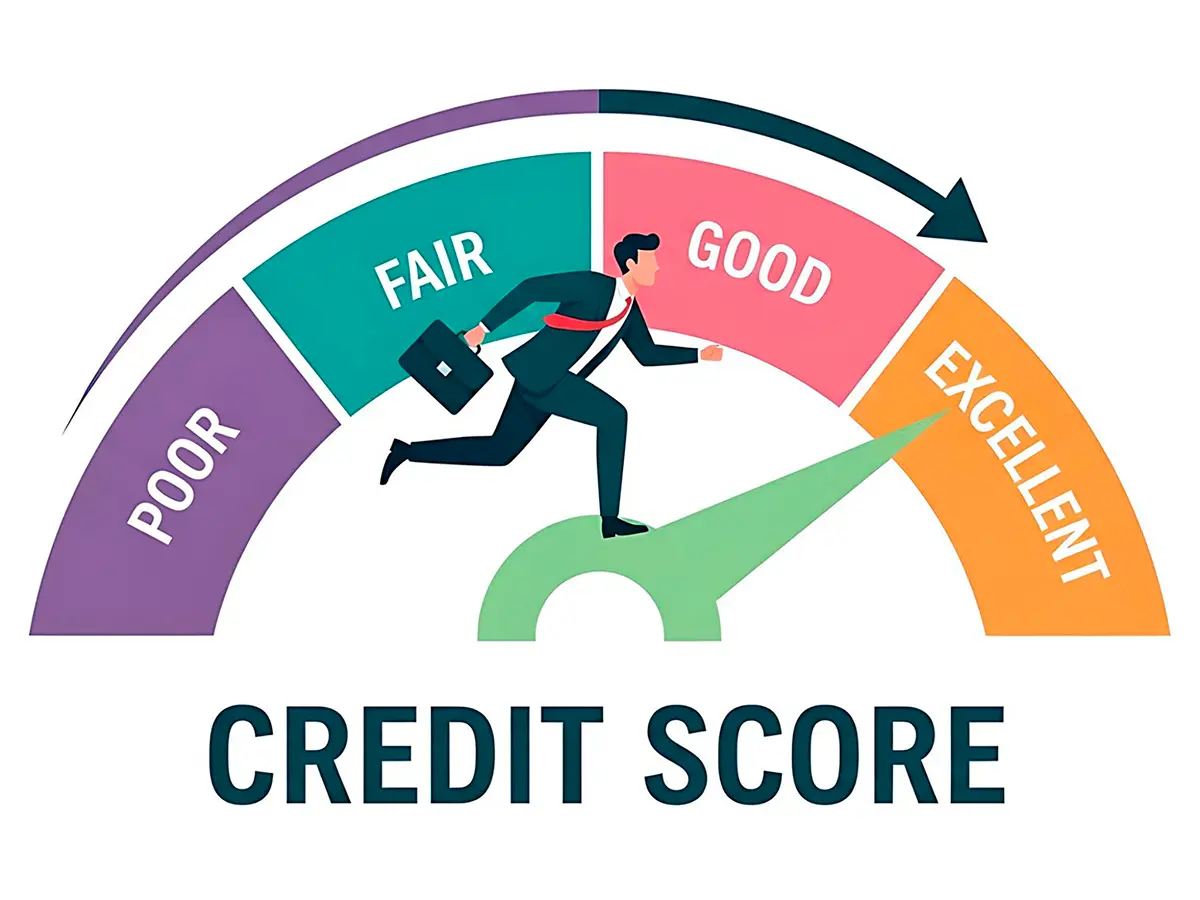
Built around established U.S. credit reporting practices and dispute procedures under the Fair Credit Reporting Act (FCRA). No unrealistic promises—just clarity, documentation, and structured credit improvement.
Unlock more options
Choose the outcome you care about. We’ll outline what improves it—and what to watch for—so you can move forward with confidence.
Your path to stronger credit
A stronger credit profile can mean better approval odds, improved loan terms, and more financial flexibility. Get a clear, no-fluff overview of what credit improvement can help you achieve — then take the next step when you're ready.
Credit decisions in the U.S. are typically influenced by payment history, utilization ratios, account age, recent inquiries, and the accuracy of reporting across major credit bureaus.
Even small inconsistencies can affect lending algorithms. A structured credit improvement approach focuses on verified data, responsible usage patterns, and consistent financial behavior.
*Results vary. This page does not guarantee outcomes.
How it works
A straightforward workflow used by reputable credit‑support programs: review, challenge what’s questionable, and build stronger habits while updates are processed.

Review your starting point
Clarify your goal and look at what’s currently affecting approvals and terms.

Identify what can be challenged
See what information is typically needed, what to expect next, and how the workflow usually looks.

Move forward
Continue to explore available options and take the next step toward better credit outcomes.
best companies to clean up credit: choose with confidence
Your credit report needs focus, not noise. The best companies to clean up credit help you remove inaccuracies, organize disputes, and coach you on habits that raise scores sustainably. Your priority is benefit and relevance: what gets you closer to a loan approval, a lower premium, or simply breathing room - fast, and without risky shortcuts.
What "cleanup" actually involves
Cleanup is more than firing off template letters. It's a method: identify errors, document them, challenge them with the bureaus and furnishers, and follow through until outcomes are recorded. Good firms also guide utilization, payment sequencing, and goodwill outreach to creditors when appropriate.
- Three-bureau audit for mismatches and duplicates
- Dispute inaccurate, outdated, or unverifiable items
- Debt validation requests to collectors
- Goodwill or pay-for-delete discussions where ethical and feasible
- Identity-theft support: fraud alerts, freezes, and affidavits
- Score strategy: utilization, mix, and new credit timing
Set priorities before you pick
Decide what matters most: a clean file before a mortgage pre-approval, targeted fixes before an auto refi, or long-term rebuilding. Rank issues by impact (major derogatories first), accuracy (clear errors before gray areas), and speed (items with fast-document proof).
Pause.
That half-minute of clarity prevents you from paying for busywork that won't move your score in time.
What separates the best companies
- CROA compliance: no upfront fees, clear contracts, and easy cancellation
- Transparent pricing: detailed deliverables, not vague "deluxe" tiers
- Evidence trail: they send dispute copies, bureau responses, and timelines you can verify
- Targeted plan: milestones per 30 - 45 day cycle, with creditor outreach when needed
- Data security: secure uploads; no emailing sensitive IDs casually
- Coaching included: guidance on utilization and payment sequencing to lock in gains
A quick real-world moment
On a Tuesday lunch break, you upload current bureau files. By evening, your portal shows three disputes queued: a duplicate medical collection, a misreported 60-day late, and a wrong address. You get weekly updates; at day 32, one bureau corrects the duplicate late, and the collector fails to validate - two small wins, but exactly the ones blocking your auto-rate drop.
Pricing and timelines
- Monthly plans: good for broader cleanup with ongoing coaching; cap months so costs don't drift.
- Per-deletion: pay only when items change; verify how they define a "deletion" and whether corrections count.
- Timeframe: bureaus respond in 30 - 45 days per round; meaningful progress often takes 2 - 4 cycles.
Red flags and when to DIY
- Promises of a specific score or guaranteed deletions
- Upfront fees before work begins
- Advice to dispute accurate information or to mislead creditors
- "New credit identity" or tradeline renting schemes
DIY can be enough for clear-cut errors: pull reports, dispute with documentation, track responses. If debt load is the real issue, a nonprofit credit counselor may beat any "repair" pitch by lowering rates and structuring payments. For identity theft or reinserted items, legal-backed services add leverage.
A simple shortlist map
- Specialist credit repair firms: best for error-heavy files and steady cycles
- Law-firm - backed services: useful when collectors ignore validation or reinsert data
- Hybrid counseling organizations: pair cleanup with budgeting and payoff plans
- Identity-theft restorers: dedicated to affidavits, freezes, and rapid bureau coordination
Quick decision checklist
- Define your 90-day goal and must-fix items
- Gather proof: statements, letters, IDs, payment records
- Compare pricing against a capped timeline
- Confirm CROA compliance and written deliverables
- Choose the firm that shows you the paper trail, not just promises
The best choice earns trust by documenting every move, focusing on high-impact fixes, and coaching you so your report stays clean after the dust settles.
Equifax Credit Report is a trademark of Equifax, Inc. and its affiliated companies. Many factors affect your FICO Scores and the interest rates ...
Some well known companies in this field include Lexington , and Sky Blue Credit Repair. It's important to do your own research and read reviews ...
Credit repair companies can help remove inaccurate information from your credit reports. They can't do anything you can't do yourself, but they may be worth ...
Frequently asked questions
A clear next step — without the guesswork
See what’s impacting approvals and what may deserve a closer look.
Understand how disputes are structured and what documentation matters.
Improve utilization, consistency, and long-term credit stability.
See what improving your credit could change
Take a structured next step based on your current profile — and decide with clarity.